Sambalpur

Temples

Pataneswari Temple

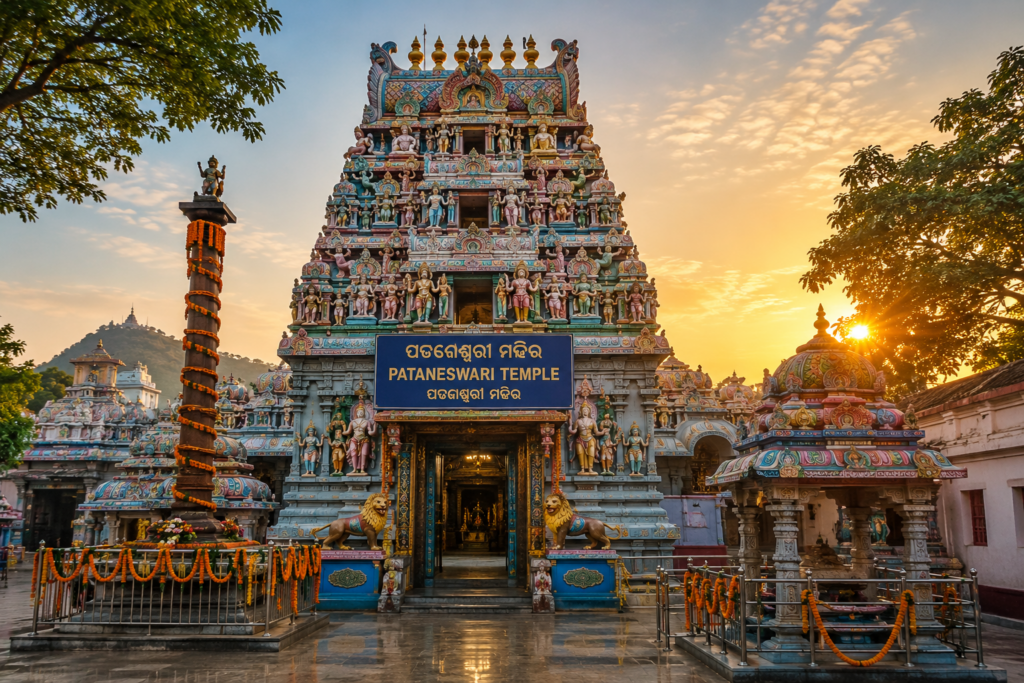
The Pataneswari Temple, located in Sambalpur, Odisha, is one of the oldest and most revered temples in the region, dedicated to Goddess Pataneswari, a powerful form of Goddess Kali. Deeply rooted in history and spirituality, the temple stands as a symbol of devotion, protection, and divine strength, attracting devotees from across the state and beyond. The temple is believed to have been established during the 16th century by King Balaram Dev, the founder of the Chauhan dynasty in Sambalpur. It is closely associated with the royal family and was considered a guardian deity of the kingdom. The goddess is worshipped as a fierce yet benevolent protector, believed to safeguard the people and fulfill the wishes of her devotees. Architecturally, the Pataneswari Temple reflects traditional Odia temple design, with strong stone structures, intricate carvings, and a sacred inner sanctum (garbhagriha) where the idol of the goddess is enshrined. The idol of Goddess Pataneswari is unique and powerful in appearance, often decorated with flowers, ornaments, and vibrant fabrics during daily rituals and special occasions. The temple is a center of intense spiritual activity, where daily पूजा rituals, offerings, and prayers are performed with deep devotion. The atmosphere inside the temple is filled with the sounds of bells, chants, and incense, creating a sacred and peaceful environment. Devotees visit the temple to seek blessings for protection, courage, and prosperity, as the goddess is believed to remove obstacles and negative energies. One of the most significant times at the temple is during Navratri and Durga Puja, when the temple comes alive with grand celebrations, special rituals, and a large gathering of devotees. The festive decorations, lighting, and cultural programs enhance the spiritual vibrancy of the temple, making it a major attraction during these occasions. Apart from its religious importance, the Pataneswari Temple also represents the rich cultural and historical heritage of Sambalpur. It stands as a reminder of the region’s royal past and the deep faith that has been preserved over centuries. Visitors are drawn not only by its spiritual significance but also by its historical charm and architectural beauty. Overall, the Pataneswari Temple is a powerful spiritual center and cultural landmark, offering a deep sense of peace and devotion. Its historical roots, divine presence, and vibrant traditions make it one of the most important and cherished temples in Sambalpur.

Pataneswari Temple Read More »
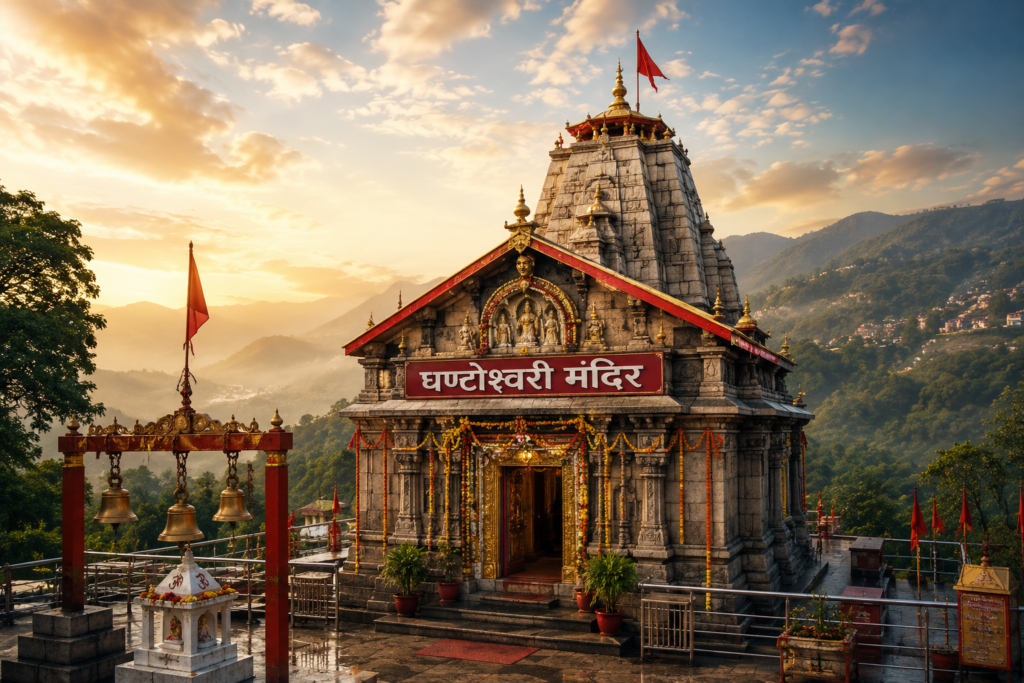
Ghanteswari Temple

The Ghanteswari Temple, located near Sambalpur in Odisha, is a unique and spiritually significant shrine dedicated to Goddess Ghanteswari, believed to be a form of Goddess Durga. Situated close to the Hirakud Dam and along the banks of the Mahanadi River, the temple is widely known for its distinctive feature—thousands of bells (ghantas) offered by devotees, which give the temple its name and identity. Historically, the temple holds an important place in the region’s past. Before the construction of the Hirakud Dam, this area was considered a dangerous point for river navigation due to strong currents and hidden rocks. Sailors and boatmen used to rely on the sound of bells to guide their boats safely through the river. Over time, the temple became a place where people offered bells as a symbol of gratitude and prayer for protection, giving rise to its name, “Ghanteswari,” meaning Goddess of Bells. The temple complex is filled with bells of different sizes, shapes, and materials, all tied by devotees who believe that offering a bell fulfills their wishes. When the wind blows, the gentle ringing of these countless bells creates a soothing and spiritual melody, enhancing the divine atmosphere of the temple. This unique experience makes the temple stand out among other religious sites. Devotees visit the temple throughout the year to seek blessings for safety, prosperity, and well-being. The temple becomes especially lively during festivals like Navratri and Durga Puja, when special rituals, prayers, and cultural activities are organized. The surrounding natural beauty, with the calm river and open landscape, adds to the peaceful and sacred environment. Apart from its religious importance, Ghanteswari Temple is also a popular spot for tourists and nature lovers. Visitors are drawn to its serene location, cultural significance, and unique tradition of bells. The scenic view of the river, especially during sunrise and sunset, makes it an ideal place for relaxation and photography. Overall, the Ghanteswari Temple is a beautiful blend of history, devotion, and natural charm. Its connection to river heritage, the symbolic offering of bells, and its tranquil setting make it one of the most distinctive and memorable temples in the Sambalpur region.

Ghanteswari Temple Read More »

chatgpt image apr 27, 2026, 02 07 13 pm

Budharaja Temple

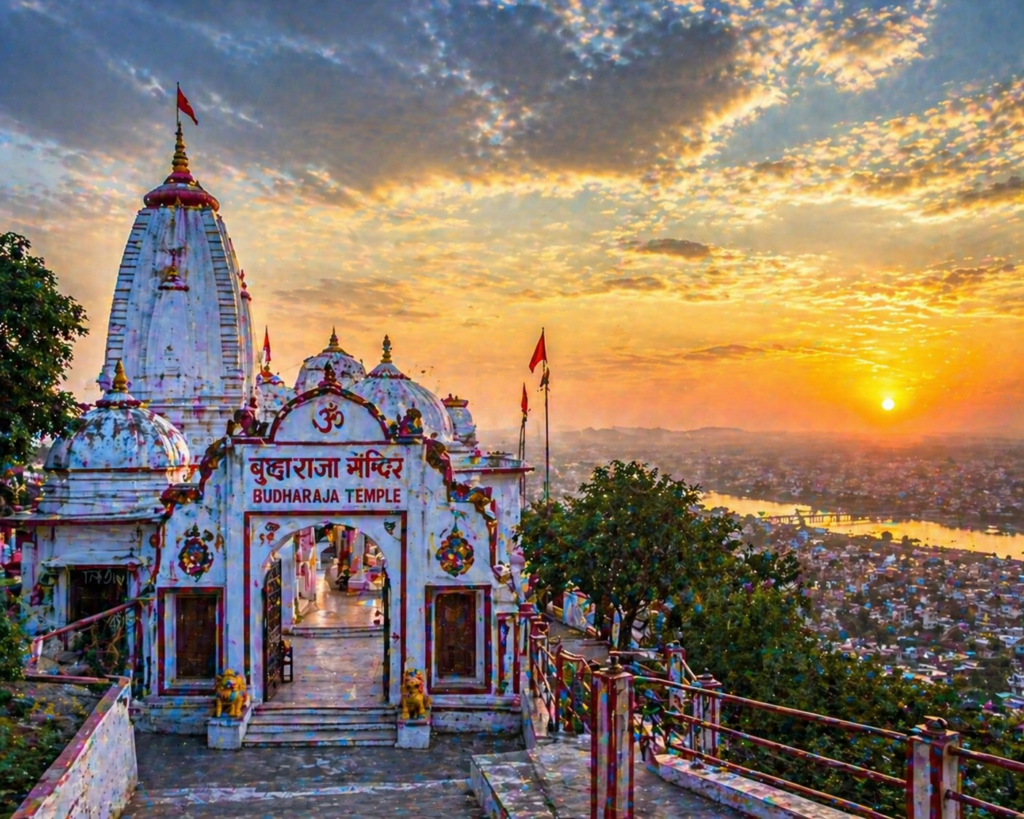
The Budharaja Temple, located atop the scenic Budharaja Hill in Sambalpur, Odisha, is one of the most peaceful and spiritually uplifting places in the region. Dedicated to Lord Shiva, this temple is not only a center of devotion but also a popular viewpoint that offers breathtaking panoramic views of Sambalpur city and the Mahanadi River. Perched at a considerable height, the temple requires visitors to climb a series of steps or reach by road, making the journey itself a refreshing and memorable experience. As one ascends the hill, the surrounding greenery and cool breeze create a calm and soothing atmosphere, gradually preparing devotees and visitors for a serene spiritual experience at the top. The temple’s architecture is simple yet elegant, reflecting traditional Odia temple design. The sacred Shiva Linga inside the sanctum is worshipped daily with rituals, offerings, and prayers. Devotees visit the temple to seek blessings for peace, prosperity, and well-being. The temple holds special importance during festivals like Mahashivratri, when large numbers of devotees gather to perform पूजा and participate in religious celebrations. One of the most striking features of Budharaja Temple is its stunning viewpoint. From the hilltop, visitors can witness a wide-angle view of Sambalpur city, the flowing Mahanadi River, and even glimpses of the famous Hirakud Dam area in the distance. The sight becomes especially magical during sunrise and sunset, when the sky is painted with vibrant colors, creating a peaceful and picturesque environment. The temple is also a favorite spot for tourists and nature lovers who come not only for spiritual reasons but also to enjoy the scenic beauty and photography opportunities. The calm surroundings, combined with the divine presence of the temple, make it an ideal place for relaxation and reflection. Overall, the Budharaja Temple stands as a perfect blend of spirituality and natural beauty. Its elevated location, peaceful ambiance, and religious significance make it one of the most cherished landmarks of Sambalpur, offering visitors a unique experience of devotion along with stunning views of the city below.

Budharaja Temple Read More »

chatgpt image apr 27, 2026, 01 56 26 pm

Leaning Temple of Huma

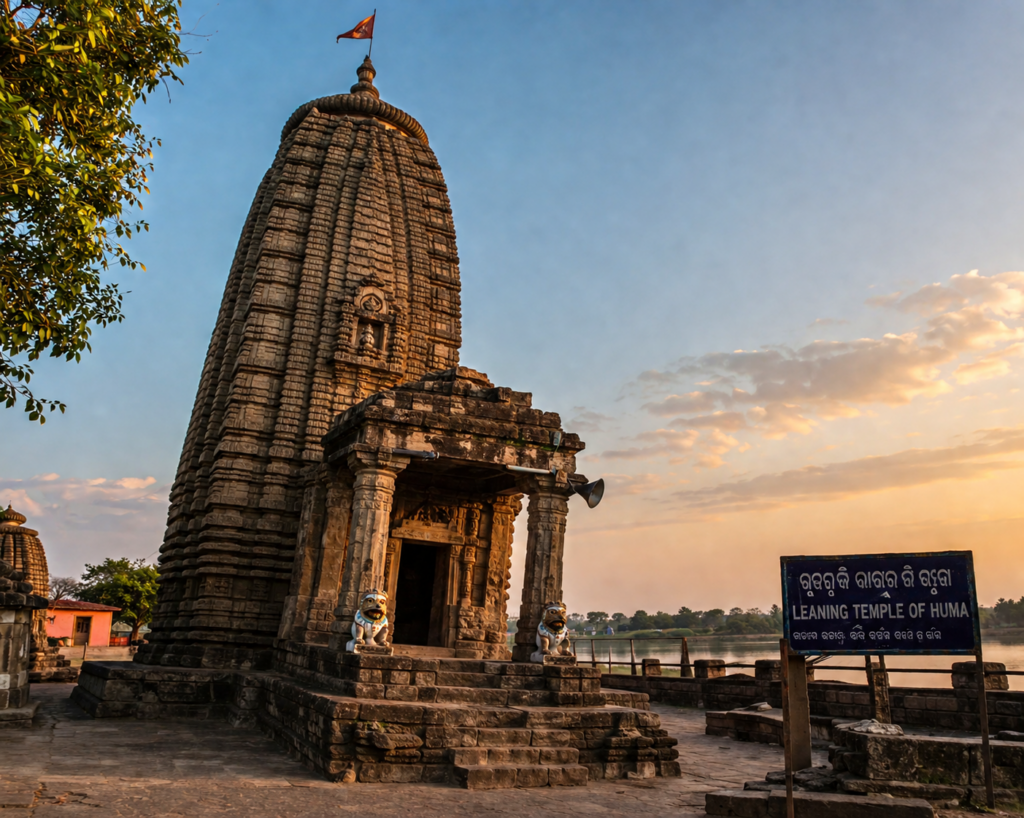
The Leaning Temple of Huma, located near Sambalpur in Odisha, is one of the most fascinating and mysterious temples in India. Dedicated to Lord Shiva, this temple stands on the banks of the Mahanadi River and is widely known for its unusual architectural feature—the entire structure leans at an angle. What makes it even more intriguing is that not just the main temple, but also the surrounding smaller shrines and structures appear tilted, yet they have remained stable for centuries. Believed to have been built in the 17th century during the rule of the Chauhan dynasty, the temple reflects the traditional Kalinga style of architecture, with intricate stone carvings and a strong, compact structure. Despite its tilted appearance, the temple has withstood natural forces like floods, storms, and the passage of time, making it an engineering marvel as well as a spiritual center. According to local legends, the leaning nature of the temple is often associated with divine power rather than structural reasons. Devotees believe that the temple’s unique form is a symbol of Lord Shiva’s presence and blessing. Inside the temple, the Shiva Linga is worshipped with great devotion, and rituals are performed daily by priests and visiting devotees. The temple becomes especially lively during the festival of Mahashivratri, when thousands of pilgrims gather to offer prayers and participate in religious ceremonies. The peaceful surroundings of the Mahanadi River add to the spiritual atmosphere, making it a serene place for worship and reflection. Another interesting aspect of the temple is the presence of sacred fish in the nearby river waters. These fish are protected and considered holy, and visitors often feed them as part of local tradition. The calm river, combined with the ancient temple structure, creates a picturesque and tranquil setting. Overall, the Leaning Temple of Huma is not just a place of worship but also a remarkable blend of mystery, history, and spirituality. Its unique tilted structure, cultural significance, and scenic location make it a must-visit destination for anyone exploring Sambalpur and the rich heritage of Odisha.

Leaning Temple of Huma Read More »

chatgpt image apr 27, 2026, 01 50 32 pm

Samaleswari Temple

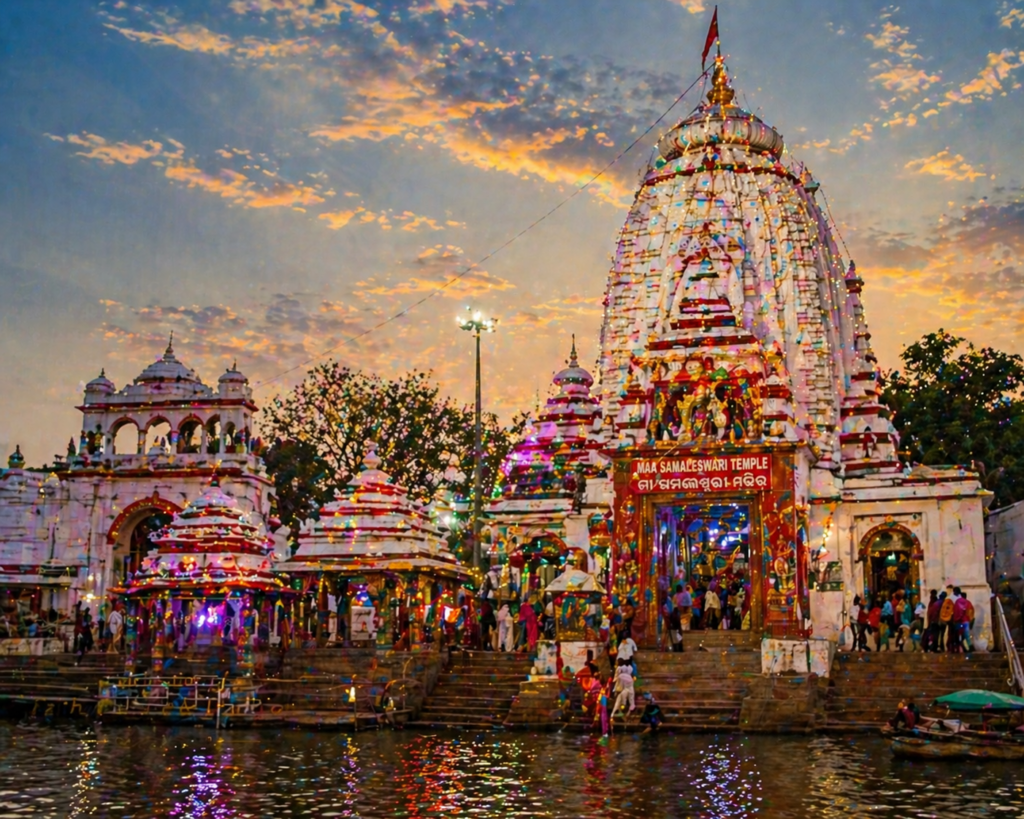
The Samaleswari Temple, located in Sambalpur, Odisha, is one of the most revered and spiritually significant temples in the region. Dedicated to Goddess Samaleswari, the presiding deity of Sambalpur, the temple stands gracefully on the banks of the mighty Mahanadi River, creating a serene and divine atmosphere that attracts thousands of devotees and visitors throughout the year. The temple holds immense historical importance, with origins believed to date back to the 16th century, during the reign of the Chauhan dynasty. Goddess Samaleswari is worshipped as the supreme mother (Jagat Janani) and is deeply connected with the cultural identity and traditions of Western Odisha. Her blessings are believed to bring prosperity, protection, and well-being to the people of the region. Architecturally, the temple reflects the traditional Kalinga style, characterized by its beautifully carved structures, strong stone walls, and a distinct sanctum (garbhagriha) where the idol of the goddess is enshrined. The idol of Maa Samaleswari is adorned with flowers, jewelry, and vibrant fabrics, especially during special occasions, creating a powerful and captivating spiritual presence. The temple becomes a center of grand celebrations during major festivals like Nuakhai, the most important festival of Western Odisha, where the first grains of the harvest are offered to the goddess. Other festivals such as Navratri and Durga Puja are also celebrated with great devotion, featuring special rituals, cultural programs, and large gatherings of devotees. Daily rituals and prayers are conducted with deep devotion, including offerings of flowers, incense, and traditional food. The rhythmic sound of bells, chants, and devotional songs fills the temple परिसर, creating a peaceful and spiritual environment. Devotees from different parts of the country visit the temple to seek blessings and experience its divine energy. Beyond its religious importance, the Samaleswari Temple is also a symbol of unity and cultural pride for the people of Sambalpur. It plays a central role in the social and spiritual life of the community, bringing people together during festivals and special occasions. Overall, the Samaleswari Temple is not just a place of worship but a sacred symbol of faith, tradition, and heritage. Its divine aura, historical significance, and cultural importance make it one of the most cherished landmarks of Sambalpur, offering a deeply enriching spiritual experience to all who visi

Samaleswari Temple Read More »